


.webp)

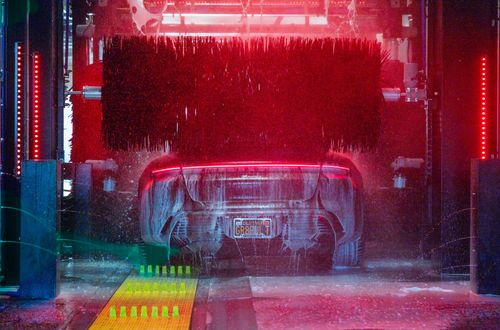
Choosing the best automatic car wash machine in 2026 is no longer just about horsepower, brush count, or cars per hour. The fastest-growing operators buy commercial car wash equipment as integrated platforms, not standalone hardware, and the gap between those two approaches now determines long-term profitability.
This car wash buyers guide breaks down the best automatic car wash systems by type, the car wash technology features that matter, how to match a machine to your business, and the real cost of buying car wash equipment in 2026.
What Makes an Automatic Car Wash Machine "Best" in 2026?
The answer has shifted. A decade ago, "best" meant durable steel and the fastest wash cycle. In 2026, the best automatic car wash machine keeps your site running 24/7, grows recurring revenue through membership, drives customer satisfaction, and gives you real-time visibility into every bay from a single dashboard. Hardware quality is now table stakes. The most profitable car washing operators treat every equipment upgrade as a platform decision, not a hardware purchase.
The Shift from Hardware-Only to Integrated Ecosystems
The car wash industry is moving away from Frankenstein tech stacks where operators bolt equipment from one vendor to POS from another and payments from a third. Modern buyers want a single ecosystem. Starwash's approach to integrated car wash systems combines hardware, software, and payments on one platform, so cameras, subscriptions, kiosks, and predictive maintenance all talk to each other out of the box. Every extra vendor in the stack is another point of failure.
Throughput, Uptime, and Total Cost of Ownership
Throughput (cars per hour) used to be the headline metric, but savvy equipment buyers now lead with total cost of ownership. Uptime, labor costs, chemical waste, water usage, and maintenance costs over a 15-20 year lifecycle matter far more than purchase price. A tunnel that washes 120 cars per hour but goes down twice a month generates less revenue than a steady 90-per-hour system that runs reliably. Consistent results and operational efficiency beat peak specs.
The Four Main Types of Automatic Car Wash Systems
Automatic car wash systems fall into four broad categories: touchless in-bay automatics, rollover and gantry car washes, friction wash tunnels, and hybrid car wash systems. Each has a distinct footprint, throughput range, and business model fit. Understanding the differences is the foundation of any smart purchase decision, whether you are a first-time owner or a multi-site operator.
Touchless (In-Bay Automatic) Car Wash Machines
A touchless car wash, also called an in-bay automatic or IBA, cleans vehicles using high-pressure water jets, spray arms, and precise chemical injection to spray and remove dirt without brush contact. The vehicle stays stationary while the machine moves around it, typically finishing a full wash cycle in under three minutes with undercarriage sprayers and an air dryer included. A modern automatic car washer of this type eliminates scratches and swirl marks, making touch-free car wash systems ideal for luxury vehicles and dealerships where paint protection is non-negotiable. The single arm touchless in-bay automatic suits compact sites, while the dual arm touchless car wash delivers higher throughput for busier bays without sacrificing the contactless car wash clean.
Rollover and Hybrid Gantry Systems
Rollover car wash machines, sometimes called gantry car wash systems, move on rails over a stationary vehicle while washing the vehicle from every angle. They offer a strong balance of throughput, footprint, and versatility. A hybrid rollover system goes further by combining a soft-touch car wash mode with touchless high-pressure arches, letting customers select their vehicle wash style at the touchscreen payment kiosk. Rollover systems typically handle 10 to 30 cars per hour and fit in a single bay, which makes them a favorite for gas stations, convenience stores, dealerships, and standalone sites with limited space.
Brush and Hybrid Wash Tunnels
Tunnel car wash systems are the high-volume workhorses of the industry. Vehicles are pulled through a conveyor system past multiple cleaning stages: pre-soak, foam application, scrub, rinse, wax, and dry. A brush wash tunnel is a friction car wash that uses non-abrasive soft-cloth brushes, EVA brushes, and rotating brushes to process 30 to 120+ cars per hour, which is why express tunnel and express exterior operators favor this format. A hybrid wash tunnel blends brush and touchless stages, handling sedans to light trucks without reconfiguration. Tunnels need more land and higher upfront investment, but they deliver the lowest cost per wash at scale.
Pairing Machine Type to Your Business Model
Matching equipment to business model is the single most common mistake a new car wash owner can make. A touchless IBA on a high-traffic express-wash site will bottleneck. A 100-foot tunnel on a low-volume C-store will never pay back. The right choice depends on your land, traffic pattern, customer mix, how you plan to operate the site, and how aggressively you plan to grow an automated subscription base.
Request a Free Site Assessment from Starwash
Not sure which system fits your site? Our team performs free site analysis and will recommend the right car wash equipment for your land, traffic, and business model.
Request Your Free Site Assessment
Key Features to Look For in the Best Car Wash Equipment
Once you have narrowed the system type, the next filter is features. Three areas separate modern equipment from legacy hardware: drive technology, water reclamation, and software intelligence. Every dollar spent on these three is a dollar that reduces operating costs for the next 15 years.
All-Electric VFD Drives vs Hydraulic Systems
Legacy car wash machines rely on hydraulic systems to drive brushes and arms. They are loud, leak-prone, and burn through energy. Modern fully automatic machines use all-electric brushless motors controlled by VFD (Variable Frequency Drive) technology. VFD motors use up to 40% less energy than hydraulic equivalents and eliminate hydraulic fluid entirely, reducing environmental risk and maintenance costs. When you install new equipment in 2026, asking whether the drive train is hydraulic or all-electric tells you more about long-term energy efficiency and profitability than any brochure spec sheet.
Water Reclamation and Sustainability Technology
A closed-loop water recycling system can recover and reuse up to 85% of wash water, making eco-friendly operation a realistic baseline rather than a premium upgrade. For a tunnel processing 300 cars per day, that translates to over 100,000 gallons saved every month. Sustainability technology has also become a regulatory compliance issue: EPA standards, water scarcity rules, and local discharge regulations shape what operators can install. Many municipalities fast-track approvals for car washes with water reclaim systems, and operators who retrofit older sites often find the recycling upgrade alone unlocks expedited permitting.
AI, License Plate Recognition, and Predictive Maintenance
Smart technology is no longer experimental, and reliable automation depends on it. Artificial intelligence powers license plate recognition (LPR) that identifies subscribers at entry, triggers their wash package, and eliminates stickers or app logins. Advanced sensors monitor electric motors and pump performance in real-time, and predictive maintenance flags failing components before they cause downtime, reducing unplanned outages by up to 40%. A connected integrated car wash technology platform brings LPR, predictive maintenance, remote monitoring, camera feeds, POS, and membership management into one dashboard.
See How Starwash's Technology Platform Works
Every Starwash machine ships with the full technology platform included. See how the dashboard, LPR, and predictive maintenance work together in a live demo.
How to Match a Car Wash Machine to Your Business Type
Different business models put different demands on equipment. The right automatic car wash machine for a gas station owner is rarely the right one for an express tunnel investor. Here is how the four system types map onto the four most common buyer profiles.
Gas Stations and Convenience Stores (Pay-at-Pump Integration)
For gas stations, C-stores, and every fuel retailer, the winning formula is a compact rollover or single-bay touchless paired with pay-at-pump integration. Starwash machines are compatible with both Gilbarco and Verifone pumps, so fuel customers can buy a wash directly at the pump and drive into the bay. This feature boosts wash attach rates and in-store traffic, because every fuel visit becomes an upsell opportunity without cashier involvement.
Car Dealerships and Fleet Operations
Any dealer or dealership general manager knows that paint protection comes first. New inventory cannot tolerate swirl marks or brush damage, which makes touchless IBAs with a standard undercarriage wash the default choice. Fleet operations, including delivery vans, rental cars, truck wash duty, and municipal vehicles, have different needs: every fleet manager has to choose equipment that can wash diverse vehicle sizes at peak hours and deliver consistent results across every unit cleaning vehicles back to back. A hybrid rollover or hybrid tunnel handles this variety well, and subscription-style fleet wash accounts let managers track usage per vehicle.
Express Tunnel Operators and Multi-Site Chains
Express exterior tunnels now account for roughly 70% of new car wash construction in North America. These operators live and die by subscription model economics: high throughput, short cycle time, and customer loyalty retention. For multi-site chains, scalability and equipment standardization matter just as much as individual machine performance. Running the same modular Starwash hardware and software at every location means the same parts inventory, the same staff training, and one dashboard to manage the whole portfolio, which translates to real time savings, stronger uptime, and less downtime across the network.
The Real Cost of Owning an Automatic Car Wash System
Sticker price is the smallest part of the total cost of ownership. Operating costs, labor savings, and financing structure determine whether a car wash system pays back in 18 months or 5 years.
Purchase Price, Installation, and Financing
Purchase prices vary widely by system type:
- Single-bay touchless IBA: roughly $90,000 to $200,000 installed
- Hybrid rollover: roughly $90,000 to $160,000 installed
- Brush or hybrid wash tunnel: $250,000 to $800,000+ depending on length and feature set
Installation adds electrical, plumbing, drainage, and site prep costs, typically 10 to 20% on top of equipment. A flexible financing program makes new equipment affordable by spreading capital expenditure over the equipment's useful life and keeps cash available for marketing, hiring, and site improvements. Premium upsells like ceramic coating, tire shine, and a spot-free rinse stage add per-wash revenue that compounds the case for financing.
Operating Costs, Labor Savings, and ROI Benchmarks
The economics favor modern automation. A system that reduces staffing by two full-time positions can generate $80,000 to $100,000 in annual labor savings, and those reduced labor costs compound year after year. Water recycling, water-efficient chemical dispensing that cuts chemical waste, and energy-efficient blower dryers trim monthly operating costs, producing cost savings that keep the car cleaning operation competitive on price. Across the United States and North America, operators tackling road salt, heavy grime, stubborn dirt, and tough stains see the fastest payback because those conditions also drive the most equipment failure risk in older systems. Typical ROI benchmarks:
- IBA on a gas station site: break-even in 18 to 24 months
- Hybrid rollover at a dealership or C-store: break-even in 12 to 24 months
- Express tunnel with an active membership program: break-even in 2 to 3 years, with subscription revenue often exceeding 50% of total revenue once mature
Explore Flexible Financing on Starwash Equipment
The best equipment in the world is only as good as the financing behind it. Starwash offers flexible leasing and financing tailored to new operators and expanding chains.
Frequently Asked Questions About Automatic Car Wash Machines
A few of the questions we hear most often from new entrepreneurs, first-time operators, and investors evaluating return on investment on automatic car wash machines.
How Long Do Automatic Car Wash Machines Last?
With proper preventive maintenance, modern automatic car wash machines have a 15-20 year lifespan. Brushes, nozzles, and pumps are wear parts and need replacement every 2-3 years. Durable all-electric drives and stainless steel construction extend the useful life and support low-maintenance operation compared to older hydraulic systems.
Are Touchless Car Washes Safe for Electric Vehicles?
Yes. Touchless systems are particularly well suited for electric vehicles because there is zero physical contact with charging port covers, sensor arrays, or trim. Operators should confirm that undercarriage pressure settings account for battery pack positioning, but modern touchless IBAs and hybrid rollovers handle EVs safely out of the box.
Which Car Wash System Has the Best ROI?
It depends on site traffic. Express tunnels have the highest revenue ceiling thanks to subscription model economics, membership program retention, and throughput, but they also require the largest investment. Rollovers and touchless IBAs typically hit break-even faster on smaller sites, with shorter payback period windows when paired with pay-at-pump integration and a loyalty program at gas stations and convenience stores that converts one-time buyers into recurring revenue.
Can One Machine Handle Both Cars and Light Trucks?
Hybrid systems are purpose-built for versatile, vehicle-agnostic operation. A hybrid rollover or hybrid wash tunnel combines brush and touchless stages that automatically adjust to different body shapes, handling sedans, SUVs, and light trucks without a reconfiguration step. The result is scratch-free cleaning with consistent throughput regardless of vehicle mix. For more details, see our full FAQ.
Choosing the Best Automatic Car Wash Machine for Your Operation
The best automatic car wash machine is the one that matches your land, business model, growth plan, and tolerance for complexity. Standalone hardware looks cheaper on day one, but integrated platforms almost always win on a 10-year horizon because they turn one-time customers into recurring revenue. If you are within 12 months of buying equipment, a site assessment saves months of comparison-shopping.
In 2026, operators who invest in integrated hardware, software, and payments together will capture the market share the rest lose chasing specs.
Schedule a Demo with Starwash's Equipment Specialists
Talk to our team about matching Starwash equipment to your site, business model, and growth plan. Free, no-obligation consultation.